.png)
Fire Safety in the Home: A Simple Guide to Protecting What Matters Most
Updated: Aug 17
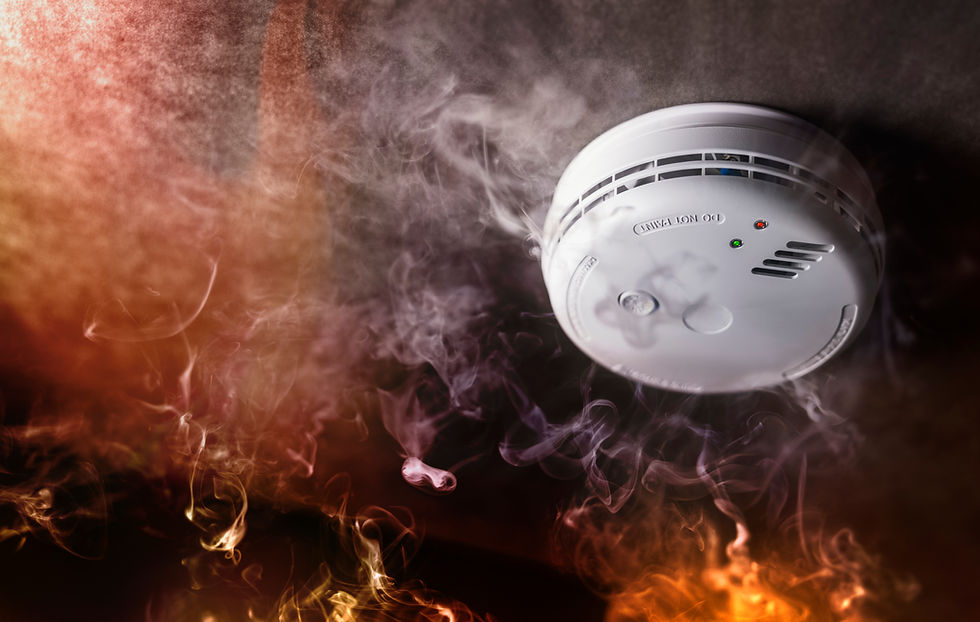
While much of my daily work involves auditing large businesses and complex event spaces, the principles of fire safety are just as vital—if not more so—in our own homes.
A fire can take hold in minutes, but most domestic fires are entirely preventable. By following a few simple "proactive" steps, you can significantly reduce the risk to your family and your property.
1. The Lifesaver: Smoke Alarms
Your smoke alarm is your first line of defence, especially when you are asleep.
Placement: You should have at least one smoke alarm on every level of your home. Ideally, they should be in hallways and landings, but consider heat alarms for kitchens where burnt toast might trigger a false alarm.
Testing: Test your alarms once a month by pressing the button. It only takes five seconds but could save your life.
Replacement: Smoke alarms don't last forever. Replace the entire unit every 10 years, even if it seems to be working.
2. The Kitchen: Where Most Fires Start
Over half of all accidental house fires start in the kitchen.
Never leave cooking unattended: If you have to leave the room, turn the heat off.
Keep it clean: A build-up of fat and grease on hobs and in grill pans can easily ignite.
Avoid distractions: Cooking while under the influence of alcohol or when you are exhausted increases the risk of accidents.
Loose clothing: Be mindful of sleeves or tea towels near open flames or hot hobs.
3. Electrical Safety: Don’t Overload
We live in an age of gadgets, but our plug sockets have limits.
One plug per socket: Avoid "daisy-chaining" extension leads (plugging one into another).
High-power appliances: Items like washing machines, dishwashers, and heaters should be plugged directly into a wall socket, not an extension lead.
Check for wear: If a cable is frayed or a socket feels hot to the touch, stop using it immediately and call a qualified electrician.
4. Charging Lithium-Ion Batteries
From e-scooters to laptops, lithium-ion batteries are everywhere. However, they can be a major fire risk if they fail.
Charge in the day: Don't leave e-scooter or e-bike batteries charging overnight while you sleep.
Don’t block exits: Never charge these items in a hallway or landing where a fire could block your only way out.
Use original chargers: Cheap, third-party chargers are a common cause of battery fires. Always use the manufacturer’s original equipment.
5. Your Bedtime Routine
Before you head upstairs, take two minutes to do a "Fire Safety Sweep" of the house:
Close all internal doors: This is one of the most effective ways to stop a fire from spreading and keep toxic smoke out of bedrooms.
Unplug non-essentials: Switch off the TV, toaster, and chargers.
Check the cooker: Ensure all hobs and the oven are off.
Clear the exit: Make sure there are no shoes, bags, or toys blocking the front or back door.
6. Have an Escape Plan
If a fire does happen, you shouldn't be figuring out what to do in the heat of the moment.
Know your route: Ensure everyone in the house knows the quickest way out.
Keep keys handy: Make sure door and window keys are always in the same place so you don't have to hunt for them in the dark or smoke.
Get Out, Stay Out, Call 999: Never go back inside a burning building for pets or possessions.
The Bottom Line
Fire safety doesn't have to be complicated. By staying proactive and making these small changes to your daily habits, you are creating a much safer environment for yourself and your loved ones.
Stay safe, and test those alarms today!


Comments